What Is Problem Gambling?
Gambling starts as entertainment—an occasional bet, a bit of fun, the thrill of maybe winning. But it crosses a line when losses start stacking and the fun turns into a constant need. Problem gambling isn’t measured by how much you lose. It’s about impact. When gambling disrupts your finances, relationships, work, or mental health, it’s no longer a game.
The slide isn’t always sudden. A few harmless bets can turn weekly, then daily. Losing starts to sting more, but instead of stepping back, some chase wins harder, hoping to break even. That’s the trap. Then routine becomes reliance, and it’s no longer about fun—it’s about filling a hole.
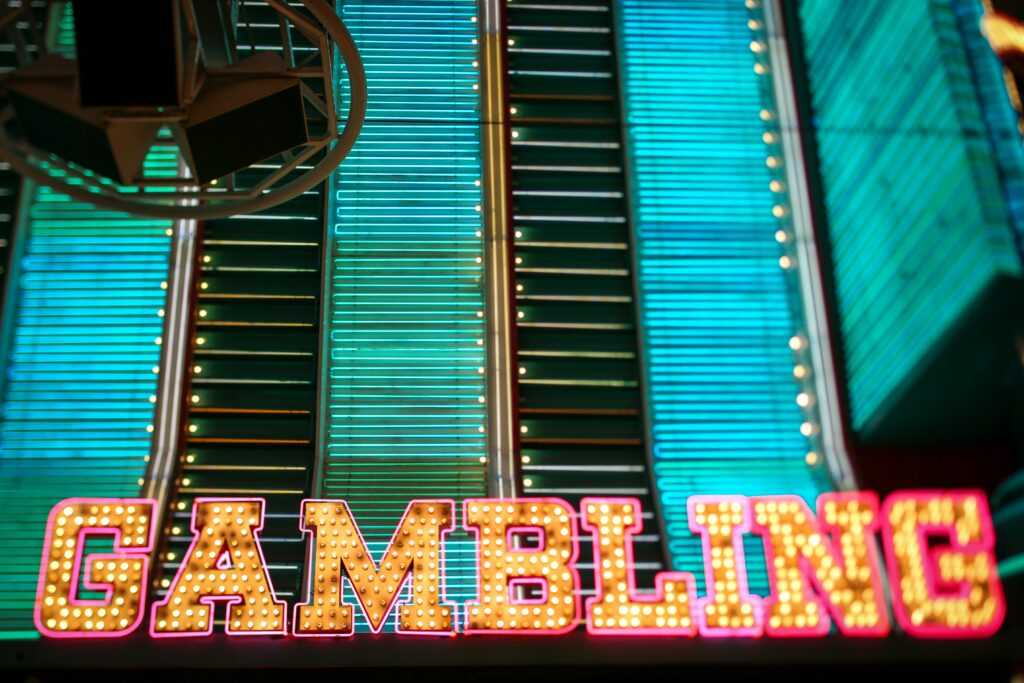
And forget the Hollywood version of who gets hooked. This doesn’t just happen to high rollers in Vegas. Casual players, weekend poker fans, online sports bettors—they’re all in the mix. Young, old, wealthy, struggling. Anyone looking for escape, control, or a quick rush could be at risk. Gambling problems don’t look one way. They hide in plain sight.
Warning Signs to Watch For
Problem gambling often hides in plain sight. It doesn’t always look dramatic at first—it can start with small shifts in spending habits or mood. Catching the early signs can make a huge difference. Here’s what to look out for:
Financial Red Flags
Money problems are one of the most noticeable—and dangerous—signs. When gambling moves from fun to compulsion, the financial fallout often follows.
- Chasing losses: A strong urge to win back lost money, often by making riskier bets
- Hiding spending: Keeping secrets about how much money is being gambled
- Borrowing or stealing: Lending money without clear reasons or taking funds from shared accounts
- Neglecting bills and essentials: Prioritizing gambling over basic financial responsibilities
Emotional Warning Signs
The toll of problem gambling isn’t just financial—it affects mental and emotional health as well.
- Irritability and agitation: Angry or defensive responses when gambling is brought up
- Depression: Feelings of hopelessness or worthlessness, especially after losses
- Anxiety: Persistent worry, particularly around money or future outcomes
- Mood swings: Highs when winning, followed by deep lows from losses
Behavioral Shifts
Changes in behavior can signal a deeper problem, even if someone denies it or plays it down.
- Secrecy: Becoming evasive about time spent or money used
- Neglecting responsibilities: Skipping work, missing family obligations, or forgetting commitments
- Preoccupation with betting: Constantly thinking about the next game, odds, or the last outcome
Noticing any combination of these signs—especially if they occur frequently—can point to a growing issue. Trust your instincts and know that awareness is a powerful first step in turning things around.
The Psychology Behind the Risk
Problem gambling isn’t just about money or bad luck—it’s deeply tied to how the brain processes reward, risk, and emotion. Understanding the psychological triggers behind gambling can help individuals recognize the early signs of compulsion and make more informed decisions.
Hooked on Near-Misses and Dopamine
The brain’s reward system plays a powerful role in keeping people engaged—even when they’re losing. Near-misses, where you almost win, can be just as stimulating as actual wins. They trigger the release of dopamine, the neurotransmitter linked to pleasure and motivation. Over time, the anticipation of a win—more than the win itself—keeps gamblers coming back.
- Near-misses create a deceptive sense of progress
- Dopamine surges keep gamblers seeking their next ‘high’
- Routine play conditions the brain to crave uncertain rewards
The Illusion of Control
Many gamblers believe they can influence outcomes that are entirely based on chance. This illusion of control leads to riskier decisions, longer play sessions, and increased financial losses.
- Believing in personal ‘luck’ or strategies on chance-based games
- Misinterpreting patterns and randomness as predictable
- Increasing bets after a loss, believing a win is “due”
Emotion as a Driver: Stress, Loneliness, and Escapism
Gambling often becomes a coping mechanism. For some, it’s a temporary escape from emotional distress or life challenges. Unfortunately, this emotional reliance can deepen the cycle of risky behavior.
- Gambling to avoid stress or sadness
- Using bets to feel in control during uncertain times
- Turning to gambling when feeling isolated or lonely
Identifying these psychological cues isn’t about blame—it’s about awareness. Recognizing why you’re drawn to gamble is a critical first step toward maintaining control and making healthier choices.
Tools to Avoid Getting In Too Deep
Creating healthy boundaries around gambling is more than just a recommendation—it’s a necessity. The good news: with a few simple strategies, it’s entirely possible to enjoy gambling responsibly without risking your well-being or finances.
Set Firm Limits—Then Stick to Them
One of the most effective ways to protect yourself is by establishing clear time and money limits before you start playing.
Key guidelines include:
- Decide on a fixed budget—only gamble with money you’re prepared to lose.
- Set a time limit to avoid marathon sessions that lead to fatigue and poor decisions.
- Avoid “chasing losses”—doubling down rarely leads to recovery.
- Take breaks often to stay grounded and avoid emotional betting.
Build Responsible Habits
Responsible gambling isn’t about luck—it’s about consistency and self-awareness. Forming the right habits helps you keep fun in the game while keeping risk at bay.
Habits to help you stay safe:
- Don’t gamble while stressed, upset, or under the influence.
- Treat gambling as entertainment, not a source of income.
- Reflect regularly on how gambling affects your time, finances, and mood.
- Talk openly about your habits with someone you trust.
Let Technology Work for You
Digital tools make it easier than ever to track and manage your gambling behavior. Most reputable sites and apps now offer multiple ways to set personal boundaries.
Helpful tools include:
- Deposit, time, and loss limits that you can set directly in your account settings.
- Reality checks—pop-up reminders that alert you after a set amount of time.
- Self-exclusion features if you need a break entirely.
Check out this guide for more practical tips: Setting Limits – How to Gamble Responsibly
Taking charge of your limits is one of the easiest ways to ensure gambling stays fun and sustainable—and never becomes a danger.
When to Get Help (and Where to Find It)
There’s a point where gambling stops being a hobby and starts taking a toll. If you’re hiding how much you’re spending, feeling guilt after betting, or chasing losses over and over—it’s probably time to talk to someone. Burnout, anxiety, relationship strain—those aren’t just side effects. They’re warning lights.
You don’t have to fix it alone. Help is out there, and it’s built for privacy and support. National hotlines offer 24/7 help. Self-exclusion tools let you block access to gambling sites for a set period of time. Local support groups offer a place to speak freely and hear from others who’ve been there too. There’s also licensed therapy for problem gambling that goes deeper into the root issues.
Let’s be clear: asking for help doesn’t mean you’ve failed. It means you’re taking back control. The stigma around gambling problems—especially for men and young adults—is outdated and unhelpful. This is a health issue, not a moral one. You’re allowed to struggle, and you’re allowed to get help. Millions do, and better outcomes start with that first step.
Final Thoughts: Staying Sharp, Staying Safe
Gambling isn’t meant to weigh you down. It should be something you choose to do—not something that takes over everything else. At its best, it’s another form of entertainment. At its worst, it eats away at your time, your wallet, and your mental clarity. The difference comes down to perspective and discipline.
Know what drives you. Are you playing for fun—or chasing a feeling? Be honest about that. Set limits that make sense for your life. Decide how much money you’re okay with losing and how much time you’re willing to spend—and stick to it. No exceptions for lucky streaks or bad days.
Looking out for your health isn’t just about watching your spending. It’s about guarding your emotional energy, too. When gambling starts putting stress on your relationships, your sleep, or your peace of mind, it’s time to pull back.
The bottom line: your well-being is worth more than any jackpot. Keep it real, play smart, and when in doubt, walk away.