
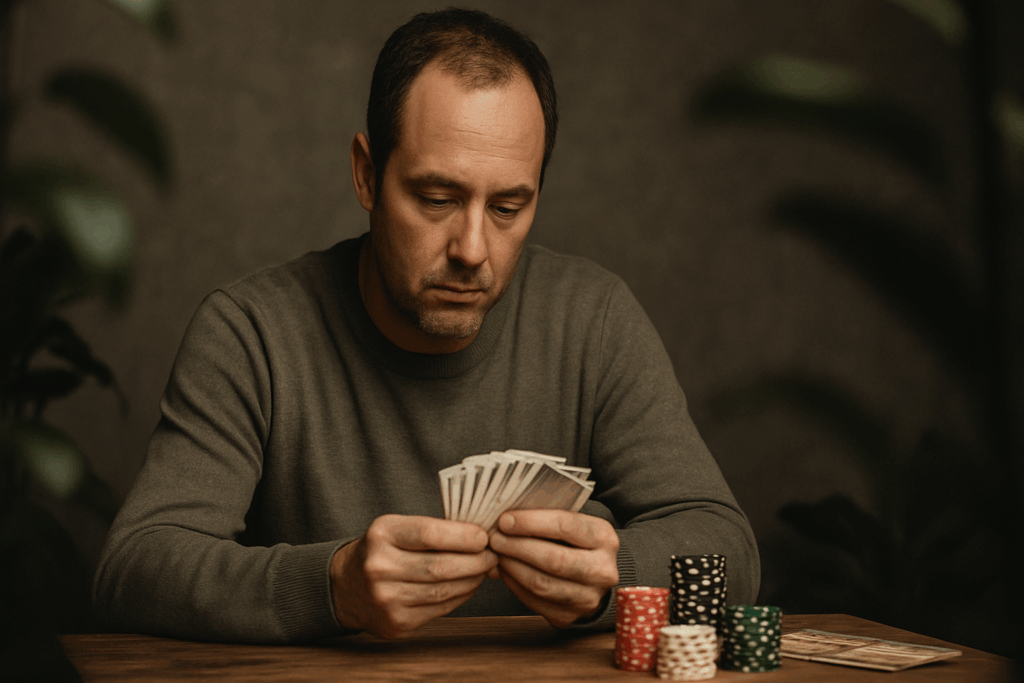
What Self Exclusion Actually Means
Self exclusion is a simple but powerful concept. It allows individuals to take control by voluntarily banning themselves from gambling platforms things like casinos, betting sites, or apps. It’s not about punishment. It’s about building one clear wall between you and a habit that’s becoming dangerous.
There are two versions of self exclusion: voluntary and mandatory. Voluntary is self driven you decide to step back. Mandatory exclusion usually follows legal or regulatory intervention, often after a reported issue. Both serve a purpose, but voluntary self exclusion puts the power directly in the individual’s hands, which makes it a crucial act of self responsibility.
So why does this matter? Gambling harm doesn’t just affect wallets. It impacts mental health, relationships, stability. Self exclusion is an early, decisive move that helps cut the cycle before it spirals. When paired with other tools like support groups or therapy it becomes even more effective. In a space that can feel overwhelming, self exclusion gives people a concrete option to pause, reset, and protect themselves.
Why People Use Self Exclusion
Common Triggers That Lead to Exclusion
Many individuals turn to self exclusion in response to specific challenges that begin to impact their well being. These triggers often vary, but several recurring patterns emerge:
Financial Strain: Mounting debt or the inability to control gambling related spending is a frequent motivator.
Loss of Control: A growing sense that gambling is no longer a recreational activity, but a compulsion.
Mental Health Concerns: Increased anxiety, depression, or stress related to gambling behavior.
Recognizing these warning signs is often the first step toward meaningful change.
Taking Back Control Through Personal Decisions
Self exclusion is not forced upon individuals it’s a voluntary decision that reflects self awareness and a desire for healthier boundaries. It marks an important shift:
From reactive behavior to proactive action
From external pressure to internal motivation
From shame and secrecy to accountability and openness
Choosing to self exclude requires courage, but it also reinforces the fact that individuals can still steer their recovery journey.
Empowerment, Not Punishment
Contrary to the notion of being banned or restricted, self exclusion programs are designed to support not punish individuals. They offer:
A sense of agency: Users decide when and how to enroll
Access to support networks: Many programs are linked with resources that extend beyond exclusion itself
A step toward long term recovery: Exclusion creates space for mental clarity and action planning
Ultimately, self exclusion is a tool for empowerment. It’s a decision made not out of defeat, but from a genuine desire to restore balance and control.
How Self Exclusion Programs Work
Signing up for a self exclusion program isn’t complicated, but it does require a clear decision. Most players start by registering with either individual gambling operators or broader national schemes, depending on what’s available in their country. Some platforms offer online forms; others require a phone call or in person visit. Either way, the process is built on one key idea: you’re choosing to step away, not being forced out.
When you enroll, you’ll need to choose how long you want the block to last. The options vary some people go for a few months, others lock themselves out for years. A lot depends on what you’re dealing with and how much help you think you’ll need. National registers often allow for multi year blocks with no option to cancel early. It’s a serious step, made for people who need real space to reset.
Once you’re in the system, enforcement kicks in. Operators get notified and are required to lock your access. You’ll stop receiving marketing, and attempts to log in or open new accounts should get flagged and blocked. That said, the system isn’t perfect it works best when it’s combined with personal commitment and, ideally, a support network. But for many, that first notification confirming they’ve been removed from temptation? That’s a powerful moment. Real change starts there.
The Real World Impact

Self exclusion isn’t just another checkbox on a recovery list it has real consequences when deployed the right way. Plenty of individuals have used these programs as a launchpad for long term change. Some stopped gambling altogether. Others used it as a buffer, breaking compulsive patterns while they sought deeper support. Take Sarah, for example. After signing up for a two year self exclusion policy and getting into regular therapy, she regained financial footing and rebuilt trust with her family.
Studies back this up: relapse rates drop significantly when self exclusion is paired with counseling and behavior monitoring. It’s not the ban alone it’s the structure and follow through that matter. Programs that integrate support touchpoints, like check ins or referrals to therapists, tend to deliver stronger outcomes.
Still, the system’s far from perfect. Loopholes exist. People can sidestep bans by shifting to unregulated sites or signing up under slight variations of their identity. And not all operators are diligent about enforcement some let people slip through the cracks. The promise of self exclusion works best when it’s taken seriously across platforms and backed by broader accountability.
Progress is happening, but there’s room to level up. Consistent enforcement, layered support systems, and better tech integration could close the gaps. Until then, the programs are helpful but not a silver bullet.
Support Beyond Exclusion
Self exclusion can be a turning point but it’s not the full journey. Think of it as hitting the brakes, not fixing the engine. Cutting off access to gambling is powerful, but lasting recovery usually requires more.
That’s where therapy steps in. Talking through triggers, stress, or deeper mental health challenges with a professional adds structure and clarity. Financial counseling is just as critical many people come to self exclusion after serious money struggles. Rebuilding budgets, wiping out debt, and learning new habits happens faster with guidance, not guesswork.
And don’t underestimate the power of others who’ve been there. Community groups whether in person or online can offer backup when willpower runs low. Recovery can feel isolating, but knowing you’re not the only one makes a big difference.
Bottom line: self exclusion is a smart move, but it’s even stronger when it’s part of something bigger. For practical tools and resources to back your recovery, check out these responsible gambling resources.
Making the Most of Self Exclusion
Not all exclusion programs are created equal. The right fit depends on where you gamble, how often, and what kinds of access you’re trying to cut off. National registries often cover a wide net online and brick and mortar operators alike while individual platform tools might only limit use on specific sites. Before enrolling, check what platforms each program covers, whether it’s enforceable, and how long it lasts. If the terms feel too easy to undo, keep looking.
Layering tools goes a long way. Pair your exclusion with blocking software like Gamban or BetBlocker to stop access cold, even if temptation hits. Add financial controls by limiting or locking cards used for gambling. Most important? Don’t go it alone. Support networks whether that’s a therapist, a group like Gamblers Anonymous, or a few friends who’ll check in can help anchor the decision and keep you grounded when it counts.
Finally, let loved ones know about your choice. Not everyone will get it at first, but clear communication helps. Tell them what your boundaries are and how they can help reinforce them. Respect isn’t automatic it’s earned through conversation. Your recovery is your own, but creating a space where people have your back makes it stick.
Where to Go From Here
Taking that first step into self exclusion doesn’t require a dramatic gesture it just needs a clear moment of decision. For most people, the right time is when they start noticing patterns they can’t quite control: chasing losses, skipping responsibilities, or gambling secretly. Signing up is simple. You can usually register online through a specific casino or betting platform, or enroll in broader national self exclusion programs that cover multiple operators at once. Some require ID verification, some don’t. Either way, the goal is to reduce friction and make that step doable.
But what comes after matters even more. Rebuilding isn’t just about not gambling. It’s about building better routines. Replace that gaming window in your day with something that holds structure walking, calling a friend, journaling, cooking. It doesn’t need to be perfect, just intentional. Mindset helps here, too. This isn’t about what you’ve stopped it’s about what you’re giving yourself room for.
Support makes a difference. Whether it’s counseling, a planner, a goal setting worksheet, or a call with someone who gets it, tools matter. Explore these responsible gambling resources to find what fits. This next chapter is yours to shape. Just keep showing up for it.