Understanding What Problem Gambling Looks Like
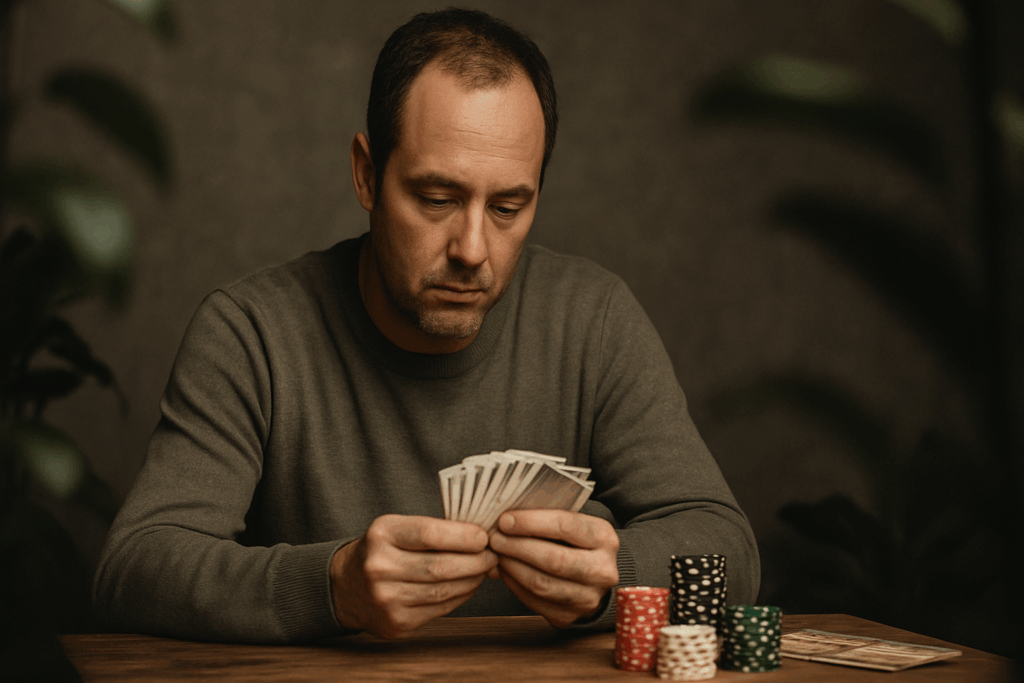
Casual gambling is what it sounds like something people do occasionally for entertainment. A few hands of poker with friends. The odd sports bet during playoffs. It’s part of the fun, with clear boundaries and controlled spending. But compulsive behavior is a different story. It creeps in slowly, turning pastimes into patterns and habits into hazards.
The trouble often starts with chasing losses. You lose, then bet again to make it back. You tell yourself you’ll stop after one more game, one more win. But that win doesn’t come, and the losses stack up. Before long, the goal shifts from enjoyment to escape. That’s the tipping point.
Warning signs don’t only show up in bank accounts. Financial strain is real maxed out cards, unpaid bills but so is emotional wear. Anxiety, mood swings, isolation. Social relationships bend, sometimes break, under the weight of secrecy or stress. What started as entertainment morphs into a dependency.
Recognizing the shift is critical. Knowing when the fun has taken a turn helps people step back before it consumes more than just money. For those unsure where they stand, it’s worth reading the full list of signs of gambling problems. It’s not about shame it’s about awareness and staying in control.
Red Flags You Shouldn’t Ignore
Problem gambling doesn’t always crash in like a tidal wave; sometimes, it creeps in quietly. A few small habits turn into patterns then those patterns start running the show.
If you’re spending way more time or money on gambling than you intended, that’s a warning sign. Maybe you tell yourself, “just one more round” and suddenly it’s three hours later and your account balance is lower than you thought.
Many people also start hiding their gambling. If you’re brushing off questions about your spending, stashing receipts, or gambling behind closed doors, pause and ask why. Secrecy isn’t normal. It’s a defense mechanism, and it often points to guilt or loss of control.
Borrowing money or maxing out credit to chase losses is another major red flag. This isn’t being strategic it’s getting sucked into the cycle of desperation. The more you chase, the deeper the hole.
Last, if you start feeling irritated, restless, or anxious when you’re not gambling, it’s time to pay attention. That kind of emotional tug points to dependency, not enjoyment.
Don’t ignore these signs. They don’t fix themselves.
Learn more about the signs of gambling problems
Actionable Ways To Prevent Problem Gambling
Gambling can be a source of entertainment, but without clear boundaries, it can quickly spiral into a serious issue. Taking proactive steps before problems arise is one of the most effective ways to stay in control. Here are practical strategies to help you gamble responsibly:
Set Clear Time and Budget Limits
Before you place your first bet, define exactly how much time and money you’re willing to spend.
Decide on a realistic budget that won’t impact your daily responsibilities
Set a timer or schedule regular breaks while gambling
Walk away once limits are reached no matter the outcome
Don’t Gamble When You’re Emotional
Your mindset matters. Gambling under emotional stress impairs judgment and increases the risk of chasing losses.
Avoid gambling when you’re feeling angry, sad, anxious, or under pressure
Never use gambling to escape problems or manage stress
Consider alternative activities that help regulate emotions, like exercise or talking with a friend
Use Support Tools and Resources
Technology can help support responsible gambling when used wisely.
Install budgeting apps to track gambling expenses
Enroll in self exclusion programs available at online and physical venues
Set up alerts or limitations through your gambling platform’s responsible gaming features
Maintain Transparency and Accountability
Being honest with those around you creates accountability and minimizes secrecy.
Share your time and spending limits with a friend or family member
Talk openly about your gambling habits
Ask someone you trust to check in with you regularly
Taking these steps doesn’t mean you can’t enjoy gambling it simply means you’re choosing to prioritize control, awareness, and long term wellbeing.
When To Seek Help
There’s a line between recreational gambling and something that starts chipping away at daily life. If placing bets begins to interfere with work deadlines, strain close relationships, or weigh on your mental health, it’s time to pause and reassess. The thrill isn’t worth the fallout.
Support is out there, and it’s more accessible than most people think. Talking to a therapist especially one familiar with addictive behaviors can help unpack what’s underneath the habit. Support groups like Gamblers Anonymous offer community and structure, while national helplines give confidential guidance any time, day or night.
Seeking help isn’t about cutting out fun altogether. It’s about making sure gambling stays something you do, not something that does you in. You’re not weak for reaching out. You’re smart for not letting it take control.
Bottom Line
Problem gambling doesn’t always arrive with flashing lights and warning sirens. It can creep in slowly a few extra bets, stretching your budget “just this once,” or chasing that recent loss because “the odds are due.” That’s how it starts. More often than not, the descent is quiet.
The good news? Catching the shift early makes all the difference. If you or someone around you starts treating gambling as a coping tool instead of entertainment, it’s time to pause and reassess. Check the behavior. Ask honest questions. Set limits that matter and stick to them.
Keep things simple: make it fun, make it clear, and keep boundaries tight. Be transparent with people you trust. Accountability isn’t about shame; it’s structure. That’s how you enjoy the game without letting it take over.