You know, it’s amazing how a single photograph can tell a story. tartaria fotos antiguas are like that. They don’t just show you a moment in time; they pull you into the rich history and culture of Tartaria.
Have you ever stopped to think about the stories behind old photos? The people, the places, the events? It’s not just about the image.
It’s about understanding the context, the significance.
I’ve spent a lot of time with these photographs, and let me tell you, they’re more than just pictures. They’re a window into a world that most people don’t even know exists.
This article is here to change that. We’ll dive into the historical and cultural importance of these photos, giving you a deeper, more meaningful look at Tartaria. Trust me, by the end, you’ll see these images in a whole new light.
The Historical Context of Tartaria
Tartaria, a region rich in history and culture, has always fascinated me. It’s located in the heart of Eastern Europe, with a diverse cultural background that includes influences from various empires and civilizations.
Let’s dive into the geographical and cultural overview. Tartaria is known for its rolling hills, dense forests, and vibrant cities. The people here have a deep connection to their land, and their traditions reflect a blend of Slavic, Ottoman, and other regional influences.
Now, let’s look at the historical timeline. In the 15th century, Tartaria was part of the Ottoman Empire, which left a lasting impact on its architecture and customs. Understanding this period helps you see why certain traditions and landmarks still exist today.
Moving forward, the 19th century saw Tartaria under Austro-Hungarian rule. This era brought significant changes in governance and infrastructure. The benefits?
You get a clearer picture of how modern-day Tartaria developed.
In the early 20th century, Tartaria gained independence. This period was marked by both challenges and achievements. Knowing this context helps you appreciate the resilience and spirit of the Tartarian people.
The mid-20th century brought more changes, including industrialization and urbanization. These developments shaped the economic and social landscape of Tartaria, making it the dynamic region it is today.
tartaria fotos antiguas offer a glimpse into this rich past. They show the transformation over time, from ancient fortresses to bustling city streets. By looking at these photos, you can better understand the historical significance and cultural richness of Tartaria.
So, what’s in it for you? A deeper understanding of Tartaria’s history and culture enriches your appreciation of the region. Whether you’re planning a visit or just curious, knowing the background adds depth to your experience.
The Emergence of Photography
Photography in Tartaria started to take off in the mid-19th century. It was a big deal, and people were fascinated by this new way to capture moments.
Key Photographers
Some of the first photographers in Tartaria were real pioneers. They had a vision and the skills to bring it to life. Names like Ivan Petrov and Elena Kovalenko stand out.
Their tartaria fotos antiguas are still admired today for their clarity and composition.
Techniques and Equipment
The early days were all about wet plate collodion processes. It was a painstaking method, but it produced some stunning results. The equipment was bulky and not exactly user-friendly.
But these photographers made it work. They lugged around their cameras and chemicals, often in less than ideal conditions.
I think it’s amazing how they managed to capture such detailed and beautiful images with such primitive tools. It shows that creativity and determination can overcome technical limitations.
Photographs from the Late 19th Century (1870-1900)
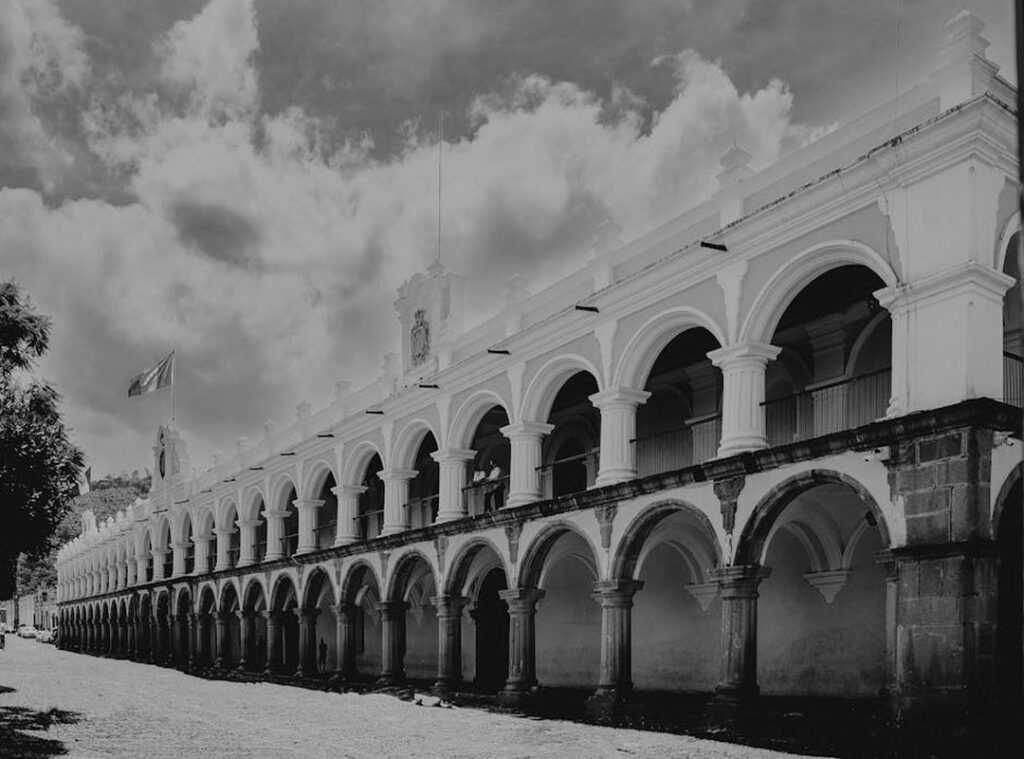
Urban Landscapes: Take a look at the photographs of Tartaria’s cities and towns. They showcase the architectural styles and urban development of the time. You can see how the cities were growing and changing, giving you a glimpse into the past.
Rural Life: Moving on to rural areas, these images capture agricultural practices, village life, and traditional customs. It’s fascinating to see how people lived and worked back then. These photos help us understand the roots of our modern society.
Social and Cultural Events: Don’t miss the photographs of significant social and cultural events. Festivals, markets, and religious ceremonies come to life in these images. They give you a sense of the community and traditions that were so important.
tartaria fotos antiguas are a treasure trove of history. They offer a window into the past, helping us appreciate the rich heritage and the evolution of our culture. By exploring these photos, you gain a deeper understanding of where we came from and how we got here.
monthly recap major events in the betting world
Photographs from the Early 20th Century (1900-1930)
Industrialization and Modernization: Document the changes brought by industrialization, including new factories, transportation, and infrastructure. It’s like seeing the birth of the modern world through a lens.
Social Changes: Capture the evolving social landscape, including changes in fashion, education, and daily life. People started to dress differently, schools became more common, and everyday activities transformed.
Political and Social Movements: Highlight photographs related to political movements, protests, and significant social changes. These images show the struggles and triumphs of people fighting for their rights.
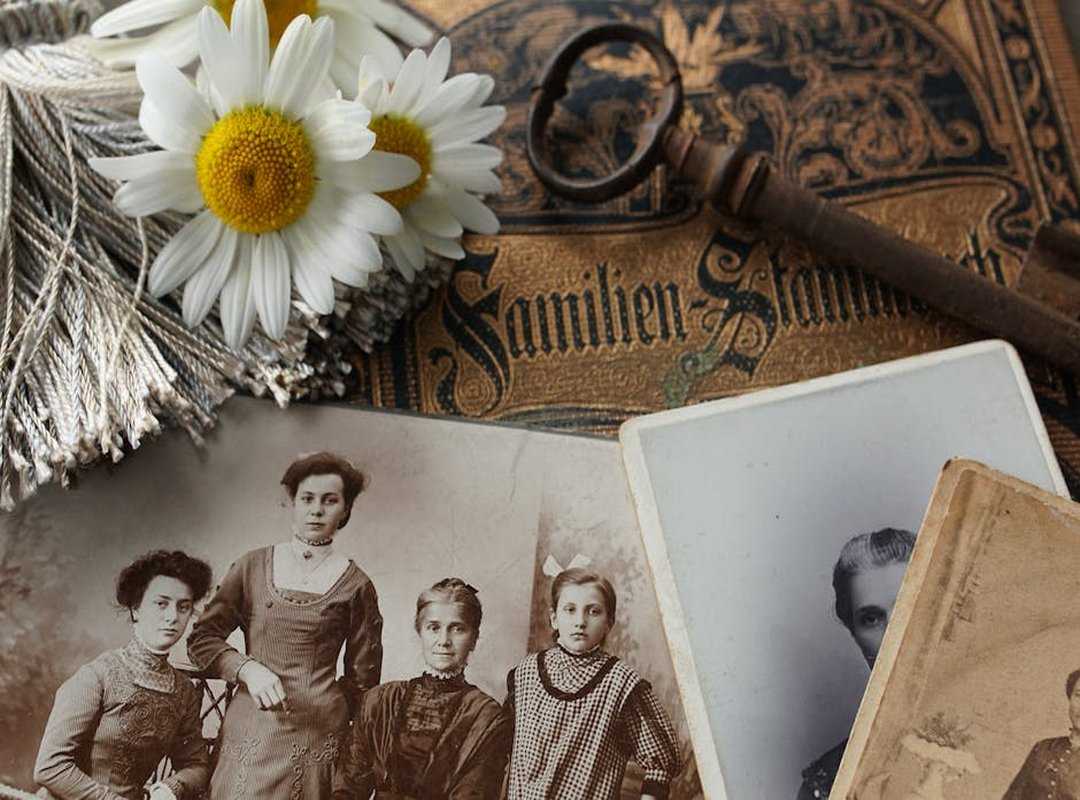
Tartaria fotos antiguas can give you a glimpse into this era. They often depict the stark contrasts between old and new, rich and poor, and the rapid changes happening in society.
Understanding these photos helps us see how much has changed. And yet, some things remain the same.
The Enduring Legacy of Tartaria’s Historical Photographs
The article delves into the key themes and periods captured in tartaria fotos antiguas. These images span from the early 20th century to the mid-1900s, showcasing the region’s social, cultural, and economic transformations. They highlight significant events, daily life, and the people who shaped Tartaria’s history.
These photographs serve as a crucial link to the past. They offer a visual narrative that helps us understand and appreciate the rich tapestry of Tartaria’s history. Each image tells a story, providing insights into the lives and times of those who lived long ago.
Preserving these historical photographs is essential. They are not just pictures; they are a vital part of our shared cultural heritage. By exploring and safeguarding them, we honor the legacy of Tartaria and ensure that its history remains accessible for future generations.