

Aesthetic visuals can make or break your content. Seriously, they’re that important.
Do you ever scroll through social media and get drawn in by a post just because it looks good? That’s the power of visual appeal.
But here’s the thing: many creators struggle with this. They have great ideas but their content falls flat because it’s not visually engaging.
I’ve seen it happen too many times, and it’s frustrating, right?
This article is different. We’re diving into practical tips and strategies to help you create visually stunning content.
You’ll learn how to use dark:ih71b_rxy_k= imagenes aesthetic and other tools to transform your content.
Trust me, these insights are backed by research and real-world experience.
So, if you want to boost engagement and make a lasting impact, keep reading.
Understanding Aesthetic Visuals: The Basics
What are aesthetic visuals and why are they important?
Aesthetic visuals are all about making things look good. They’re not just pretty pictures; they play a crucial role in how people perceive and interact with your content.
Impact on Engagement: How visual aesthetics influence user behavior and content performance.
Good visuals can grab attention and keep it. When something looks appealing, people are more likely to engage with it. This means higher click-through rates, more shares, and better overall performance.
dark:ih71b_rxy_k= imagenes aesthetic
Key Elements: Color, composition, typography, and imagery.
Color sets the mood. Use it to evoke emotions and highlight important elements. Composition is about balance and structure.
It guides the viewer’s eye and makes the content feel organized. Typography matters too. Choose fonts that are easy to read and match the tone of your message.
Imagery should be high quality and relevant. It’s the first thing people see, so make it count.
Recommendations:
- Choose a color palette that reflects your brand and sticks to it.
- Keep it simple. Don’t overcrowd your visuals. Less is often more.
- Experiment with different compositions. See what works best for your audience.
- Use high-quality images. Blurry or low-res images can turn people off.
- Test and refine. What works today might not work tomorrow. Stay flexible and keep improving.
By focusing on these key elements, you can create visuals that not only look great but also drive engagement and performance.
Choosing the Right Colors for Your Visuals
Color Theory: Understanding the psychology of colors and their impact on emotions.
Some people argue that color psychology is just a bunch of hooey. They say it’s all subjective and doesn’t really matter. But here’s the thing.
Colors do have a real, measurable impact on how we feel. Think about it. Red can make you feel energized, while blue can calm you down.
It’s not just in your head.
Brand Consistency: How to align your color choices with your brand identity.
Sure, you might think sticking to a strict color palette is too rigid. You might want to get creative and mix things up. (And hey, sometimes that’s okay.) But here’s the deal.
Consistent branding builds trust. When your visuals match your brand, people recognize you. It’s like seeing a familiar face in a crowd. dark:ih71b_rxy_k= imagenes aesthetic
Tools and Resources: Recommended tools for selecting and managing color palettes.
Now, some folks might say, “I don’t need fancy tools. I can pick colors just fine on my own.” And sure, you can. But why not make it easier on yourself?
Tools like Adobe Color or Coolors can help you find and save color schemes that work. Plus, they keep everything organized, so you’re not scrambling every time you need to use a specific shade.
Mastering Composition and Layout
The rule of thirds is a classic. It’s all about dividing your frame into a 3×3 grid. Place key elements along these lines or at their intersections.
This creates balance and draws the eye naturally.
- Divide your frame into a 3×3 grid.
- Place key elements along the lines or at intersections.
- Balance and natural eye movement follow.
Symmetry can be striking, and it’s perfect for formal, balanced shots. But sometimes, symmetry feels too rigid.
That’s when you break it, and asymmetry adds a dynamic, unexpected twist. It can make your visuals more interesting and engaging.
Focal points are crucial, and they guide the viewer’s attention. Use color, contrast, and placement to highlight what’s important.
Dark:ih71b_rxy_k= imagenes aesthetic can really help here. A well-placed focal point makes your image stand out.
- Use color and contrast.
- Place key elements strategically.
- Guide the viewer’s attention effectively.
In my opinion, mastering composition isn’t just about following rules. It’s about knowing when to break them, and experiment with different techniques.
See what works best for your style and vision.
Typography and Text Integration
Font Selection: Choosing the right fonts to complement your visuals and enhance readability. It’s more than just picking something that looks nice; it’s about making sure the text is legible and fits the overall design.
Text Placement: Best practices for integrating text into your designs without overwhelming the visuals. (I can’t tell you how many times I’ve seen a beautiful image ruined by poorly placed text.)
Hierarchy: Using size, weight, and color to create a clear visual hierarchy. This helps guide the viewer’s eye and makes the most important information stand out.
Font Selection
Finding the right font can be a real headache. You want something that looks good but also reads well. And don’t even get me started on mixing fonts.
It’s like trying to match socks in the dark.
Text Placement
Placing text in your design should feel natural, not forced. Sometimes, less is more. A few well-placed words can have a bigger impact than a whole paragraph crammed into a corner.
Hierarchy
Creating a visual hierarchy is key. Use size, weight, and color to make sure the most important elements stand out. But here’s the catch: too much emphasis can be distracting.
It’s a fine line to walk.
Dark:ih71b_rxy_k= imagenes aesthetic
If you’re feeling overwhelmed, take a step back. Sometimes, a fresh perspective can help. And if you need more tips, read more on how to tackle these challenges.
Using High-Quality Imagery and Graphics
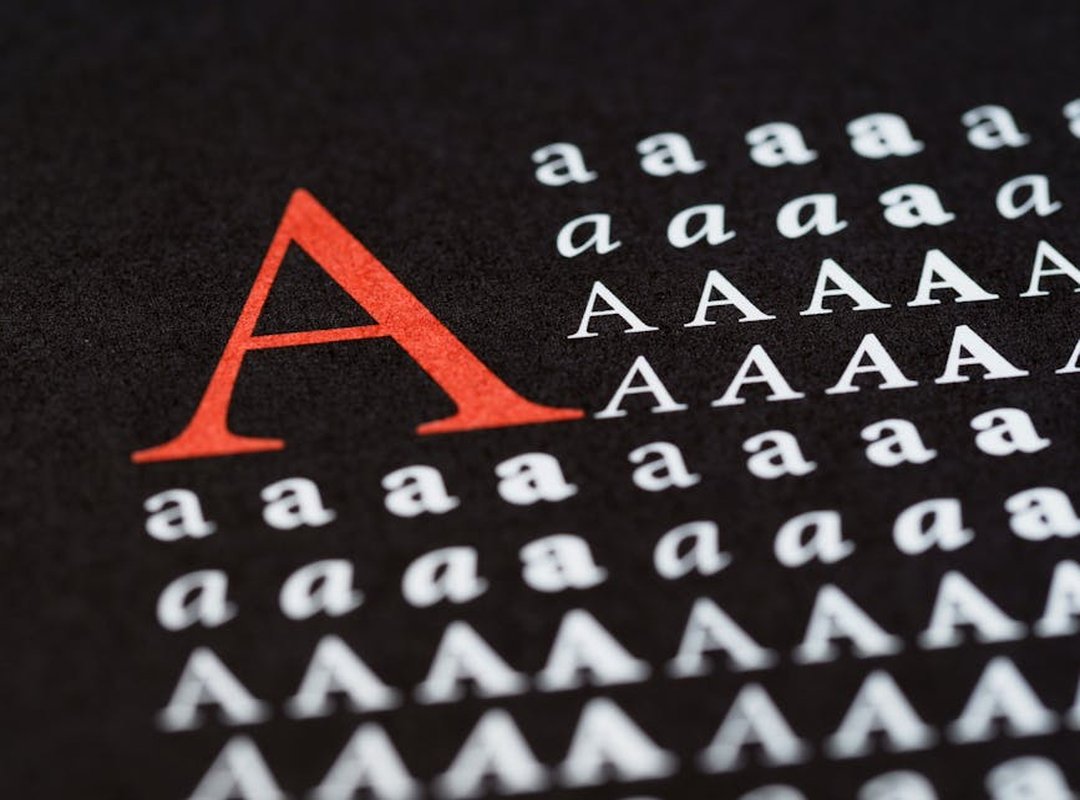
Finding the right images can be a real headache. You spend hours scrolling through stock photo sites, only to find the same generic, overused shots. It’s frustrating, right?
When you finally do find something decent, it comes with a hefty price tag. And let’s not even get started on the watermarks.
For high-quality, royalty-free images, try sites like Unsplash or Pexels. They offer a wide range of free photos that won’t break the bank.
Editing is another story. Sometimes, the perfect image needs a little tweak. Basic editing tools like Canva or Adobe Spark can help.
You don’t need to be a Photoshop wizard. Simple adjustments like cropping, adding filters, or resizing can make a big difference.
Consistency is key. Your visuals should look like they belong together. Use the same color schemes, fonts, and styles across all your graphics.
It’s about creating a cohesive look. (Think of it as branding for your visuals.)
Remember, dark:ih71b_rxy_k= imagenes aesthetic. It’s a great way to keep things visually appealing and on-brand.
Creating Engaging Social Media Visuals
Platform-Specific Tips
When it comes to social media, one size doesn’t fit all. Instagram loves vibrant, eye-catching images, while Twitter thrives on quick, snappy graphics. Facebook is a bit of a mix, but longer-form content can do well there.
Tailoring your visuals for each platform helps you stand out and connect with the right audience.
Storytelling
Visuals are a powerful way to tell a story. Use images and videos to create a narrative that resonates with your audience. A good story can make your brand more relatable and memorable.
Why does this matter? It builds a deeper connection with your followers, making them more likely to engage and share your content.
Interactive Elements
Adding interactive elements like polls, quizzes, and stickers can boost engagement. These features make your content more fun and interactive. People love to participate, and it gives them a reason to stick around and interact with your posts.
Pro tip: Use dark:ih71b_rxy_k= imagenes aesthetic to give your visuals a unique and appealing look. This can help your content stand out in a crowded feed.
By tailoring your visuals and adding interactive elements, you can create a more engaging and dynamic social media presence. Your audience will thank you for it.
Elevate Your Content with Aesthetic Visuals
dark:ih71b_rxy_k= imagenes aesthetic
Aesthetic visuals are crucial for creating content that captures attention and leaves a lasting impression. They can transform ordinary posts into something memorable and engaging.
Focus on using high-quality images and consistent design elements. Incorporate a color scheme that aligns with your brand. Experiment with different layouts and compositions to find what works best for your audience.
Continuously refining your visual design skills can set your content apart. Don’t be afraid to try new tools and techniques.