
Lobotomie piercing. That term alone is enough to make some people cringe. But let’s get one thing straight: this isn’t about the historical medical procedure.
It’s about art and symbolism.
What drives individuals to reclaim controversial historical concepts as forms of personal body art?
This article aims to explore the history, artistic interpretation, and critical safety considerations of this niche piercing concept. We’ll dive into the intersection of history, art, and body modification.
I promise a comprehensive look that separates myth from reality and prioritizes informed, safe practices. Let’s get started.
A Controversial Past: Understanding the Lobotomy Procedure
In the mid-20th century, the lobotomy procedure was developed with the intention of treating severe mental illnesses. Doctors believed it could alleviate symptoms of conditions like schizophrenia and depression.
The most infamous method, known as the ‘ice pick’ lobotomy, was pioneered by Walter Freeman. This technique involved inserting a sharp instrument through the eye socket to sever connections in the brain. It was quick and didn’t require a hospital setting, making it more accessible but also more dangerous.
The outcomes were often devastating. Many patients suffered severe side effects, including personality changes, loss of cognitive function, and even death. These outcomes sparked significant ethical controversies and led to the procedure’s eventual condemnation by the medical community.
Understanding this historical context is crucial for grasping the weight and symbolism behind a lobotomie piercing. It’s not just a piece of body art; it’s a reminder of a dark chapter in medical history.
By knowing the past, we can appreciate the deeper meaning and respect the significance of such a symbolic choice.
From Medical Tool to Body Jewelry: Interpreting the Aesthetic
The concept of a lobotomy, a once-common but now controversial medical procedure, has found an unexpected place in body modification. This is purely conceptual and aesthetic.
Some people might think it’s a bit extreme. But for those who see it as a form of self-expression, it can be deeply meaningful.
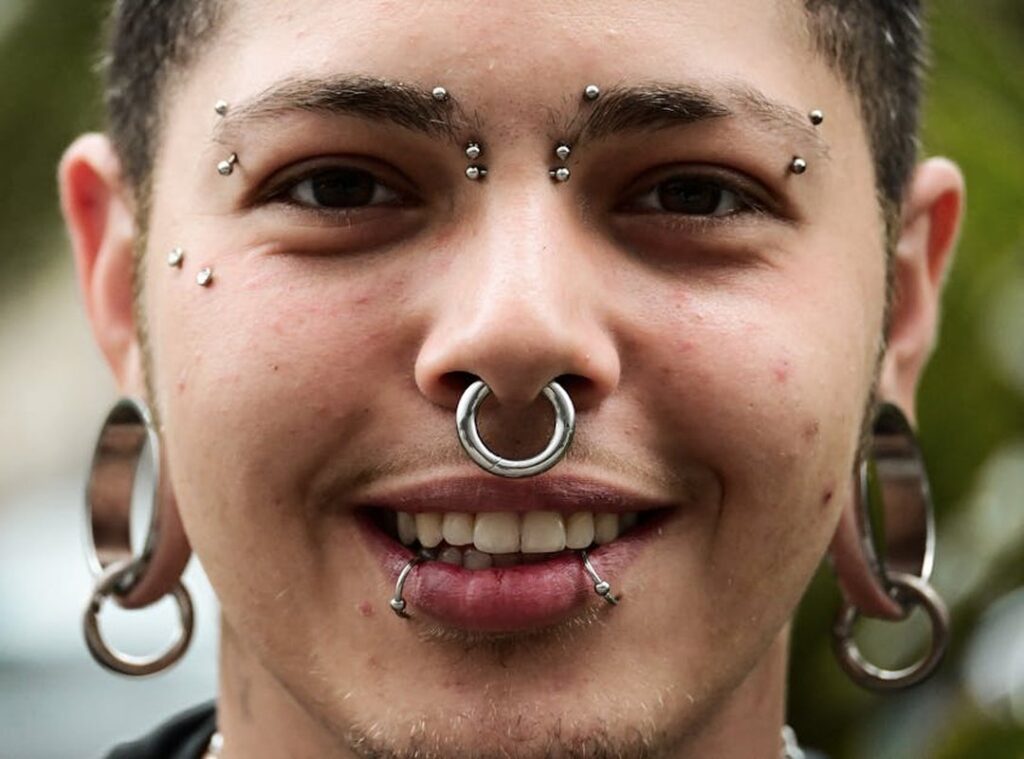
One way to evoke the idea is through specific placements. A high nostril piercing, a bridge piercing, or surface piercings near the temple or orbital bone can all capture the essence of the lobotomie piercing.
The jewelry used is often custom-made. Straight or curved barbells designed to resemble an ice pick or other historical surgical tools are popular. These pieces are not just about aesthetics; they carry a lot of symbolism.
For some, this piercing represents themes of mental health. For others, it’s a rebellion against conformity. It can also symbolize reclaiming personal autonomy or a fascination with medical history.
Artists have approached this concept in various ways. Some focus on the visual elements, creating intricate designs that blend the historical with the modern. Others emphasize the symbolic, using the placement and style to tell a deeper story.
This is a highly customized and conceptual piercing. It’s not a standard, universally-named procedure. Each piece and placement is unique, tailored to the individual’s vision and meaning.
If you’re considering something like this, it’s important to find an experienced and creative artist. They can help you bring your vision to life in a way that’s both safe and meaningful.
Sportjackpotloop official site offers insights on sports betting, but when it comes to body art, it’s all about finding the right balance between concept and execution.
Anatomy and Risk: Critical Safety Considerations

Let’s get one thing straight. Any piercing near the orbital bone, temple, or bridge of the nose carries significant risks. Period.
Nerve damage, excessive swelling, migration, rejection—these are just a few of the dangers. And don’t forget, you’re dealing with critical anatomical structures like the eyes and sinuses. It’s not something to take lightly.
The viability of such a piercing is 100% dependent on an individual’s unique anatomy. Not everyone can get it done safely. That’s a fact.
Finding an elite, highly experienced, and reputable body piercer is non-negotiable. They need to have a deep understanding of complex anatomy. This isn’t a job for just anyone.
So, what should you look for? Here’s a quick checklist:
- Experience with complex surface work or bridge piercings.
- A solid reputation in the industry.
- Clear communication about aftercare and potential risks.
Ask these questions before even considering a lobotomie piercing or any other high-risk modification.
Attempting this with an inexperienced artist is a huge mistake. Red flags to watch for include:
– Lack of detailed knowledge about the procedure.
– No portfolio or references.
– Hesitation when discussing potential complications.
Stay safe. Choose wisely.
Expression on the Edge: The Final Word on Conceptual Piercings
The journey of body piercing has evolved from a dark chapter in medical history to a modern, edgy form of self-expression. Today, the focus is on the symbolism and aesthetics, not the act itself. Lobotomie piercing serves as a striking example, blending historical context with contemporary artistry.
Safety, anatomical knowledge, and artist expertise are paramount and non-negotiable for any advanced piercing. Body modification continues to push boundaries, challenging our perceptions of art, history, and personal storytelling.